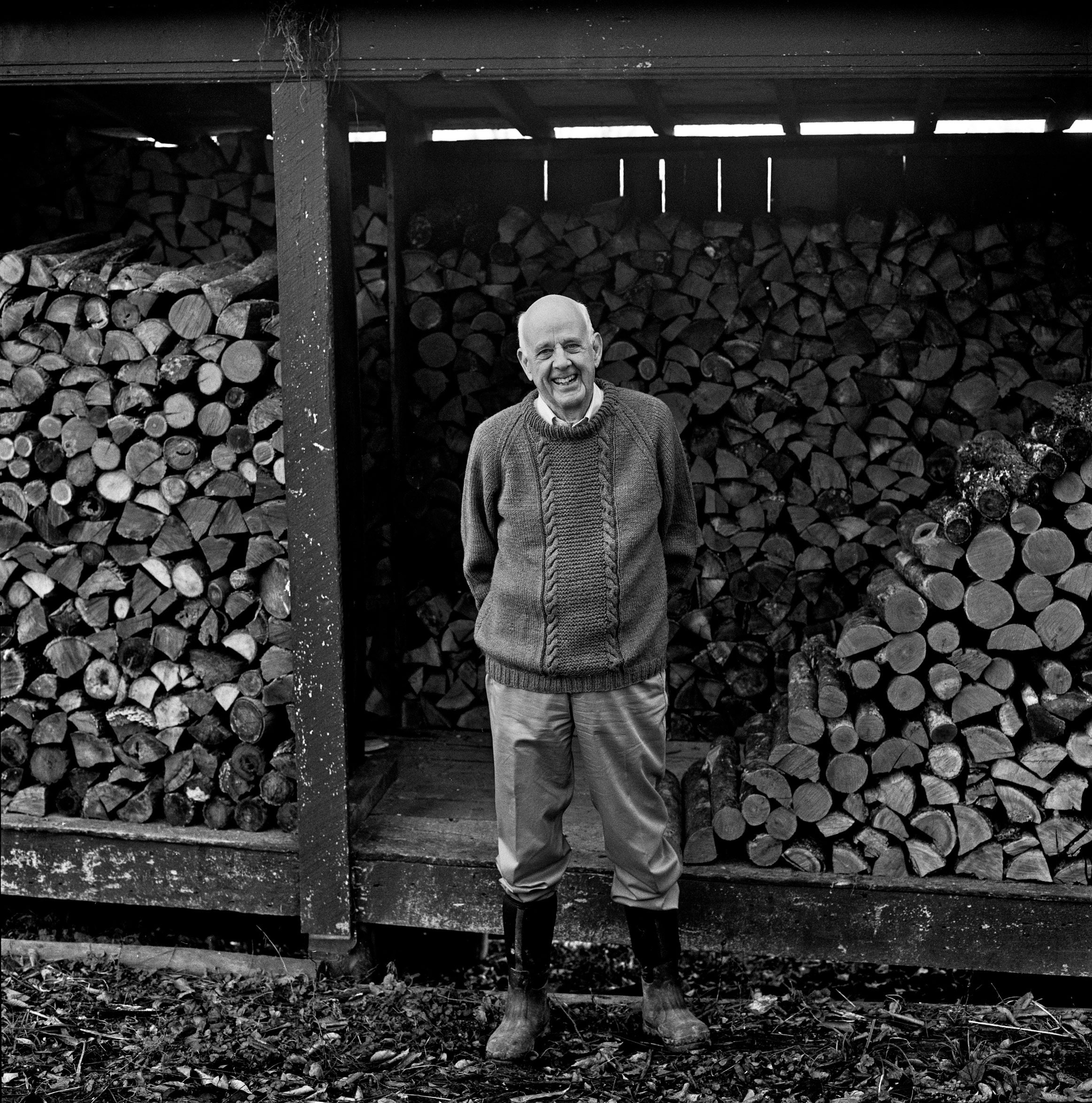
A reading of Wendell Berry’s poem “The Apple Tree” by Nicholas Allen
Another in a series of video readings with personal messages from Nicholas Allen, Willson Center director and Professor in Humanities at UGA.
The Coasts, Climates, Humanities and the Environment Consortium is funded by a pilot grant from The Andrew W. Mellon Foundation for two years. Its partners are the University of Georgia, the University of North Carolina at Chapel Hill, the University of Florida and Louisiana State University.
The Coasts, Climates, Humanities and the Environment Consortium is funded by a pilot grant from The Andrew W. Mellon Foundation for two years. Its partners are the University of Georgia, the University of North Carolina at Chapel Hill, the University of Florida and Louisiana State University. The consortium has a series of site-specific and publicly engaged research projects in coastal sites, which look at questions of climate breakdown, community resilience and the capacity of the humanities to imagine the futures of places under threat from storms and sea-level rise.
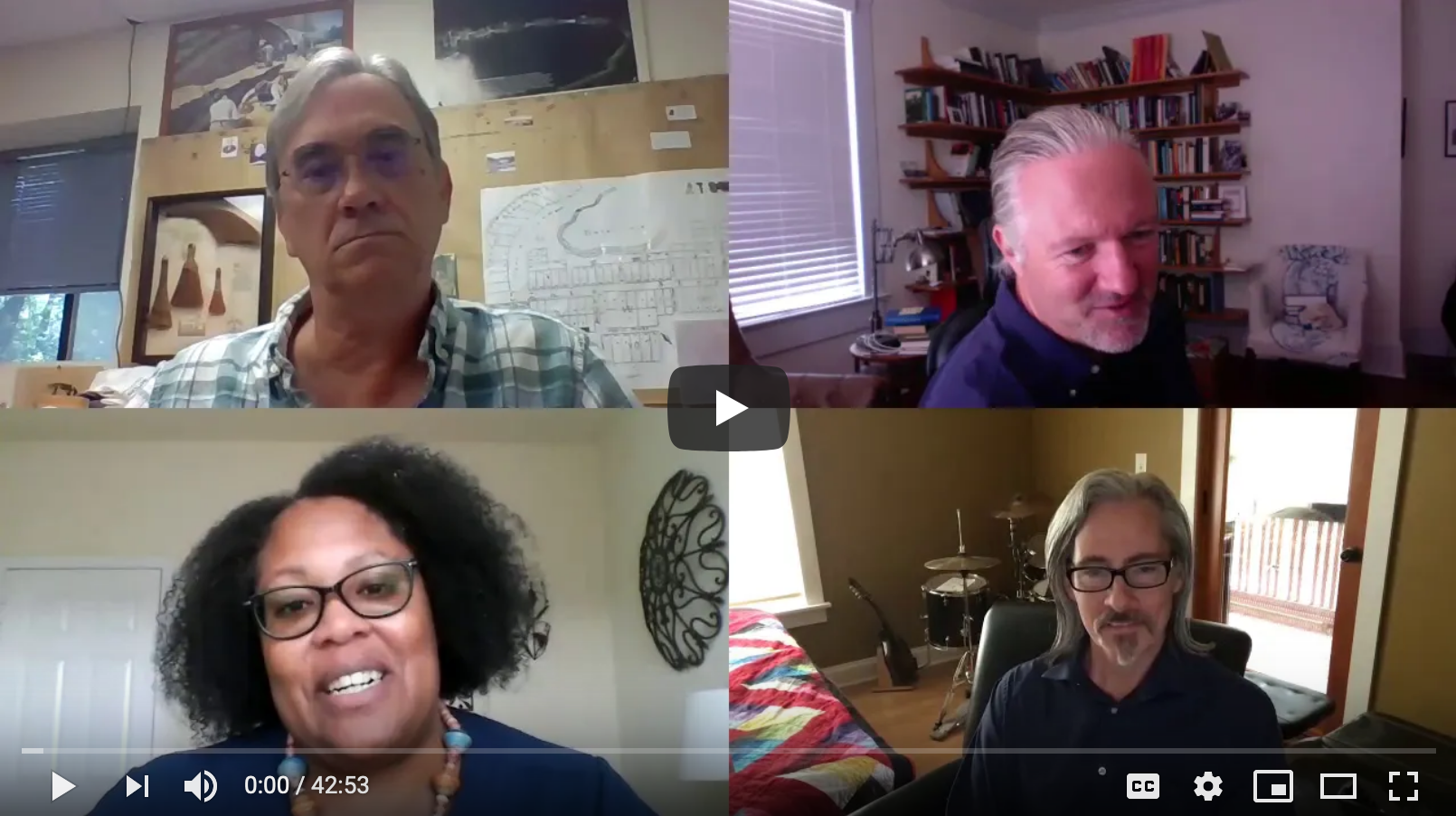
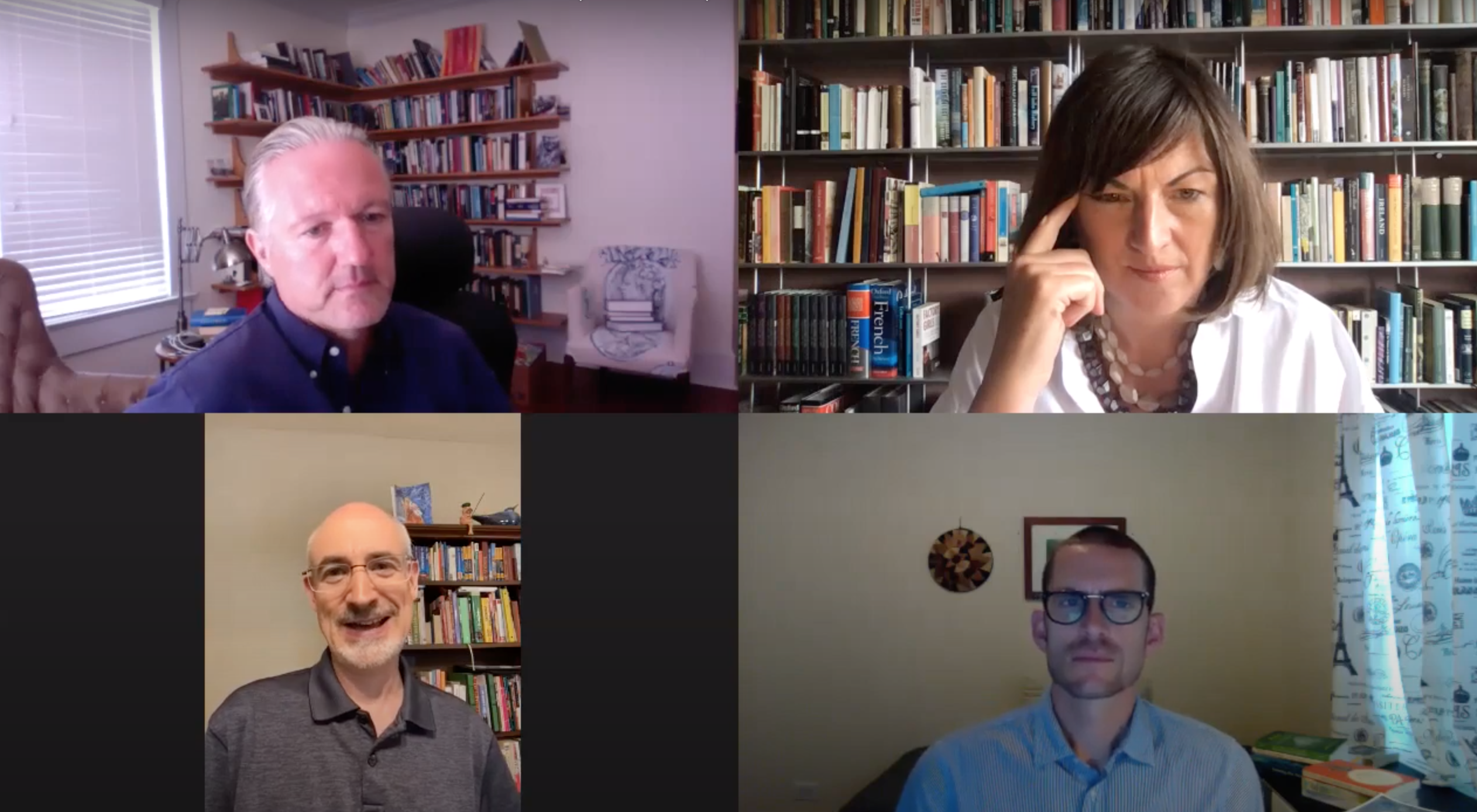
This is the second in a series of conversations featuring participants in the consortium and scholars whose research informs its work. The first conversation is available here.
The full conversation and a short preview are below.
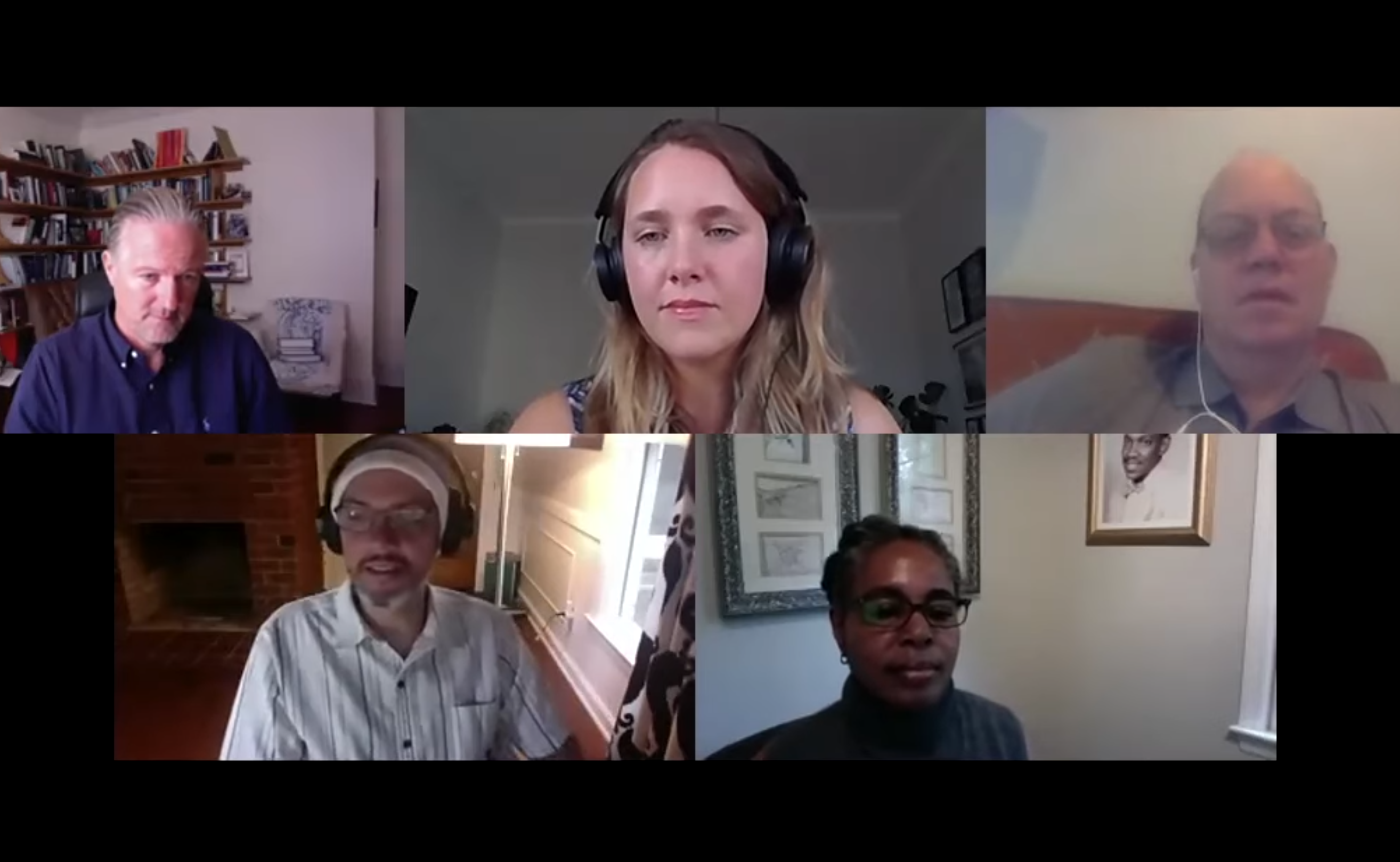
The participants are:
Malinda Maynor Lowery, University of North Carolina-Chapel Hill
Terry Harpold, University of Florida
Craig Colten, Louisiana State University
Nicholas Allen, moderator, University of Georgia
FULL CONVERSATION
PREVIEW
One of a series of video readings with personal messages from Nicholas Allen, Willson Center director and Professor in Humanities at UGA.
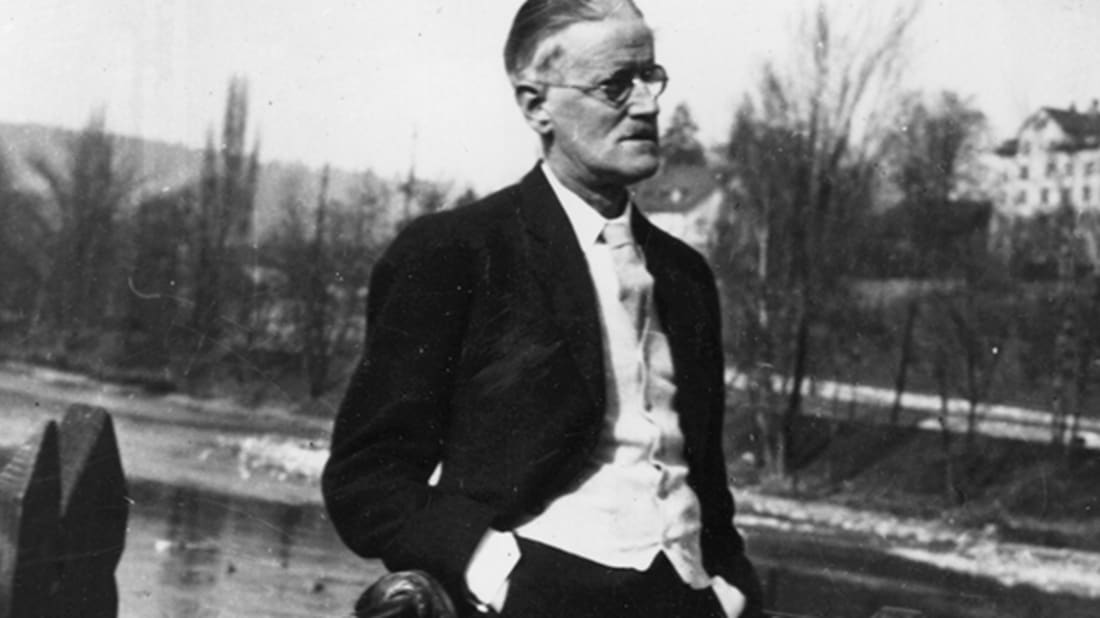
Today is celebrated around the world as the occasion of the fictional Leopold Bloom’s experience of the 16th of June 1904 in Dublin, as immortalized in James Joyce’s “Ulysses.”
The Coasts, Climates, Humanities and the Environment Consortium is funded by a pilot grant from The Andrew W. Mellon Foundation for two years. Its partners are the University of Georgia, the University of North Carolina at Chapel Hill, the University of Florida and Louisiana State University. The consortium has a series of site-specific and publicly engaged research projects in coastal sites, which look at questions of climate breakdown, community resilience and the capacity of the humanities to imagine the futures of places under threat from storms and sea-level rise.
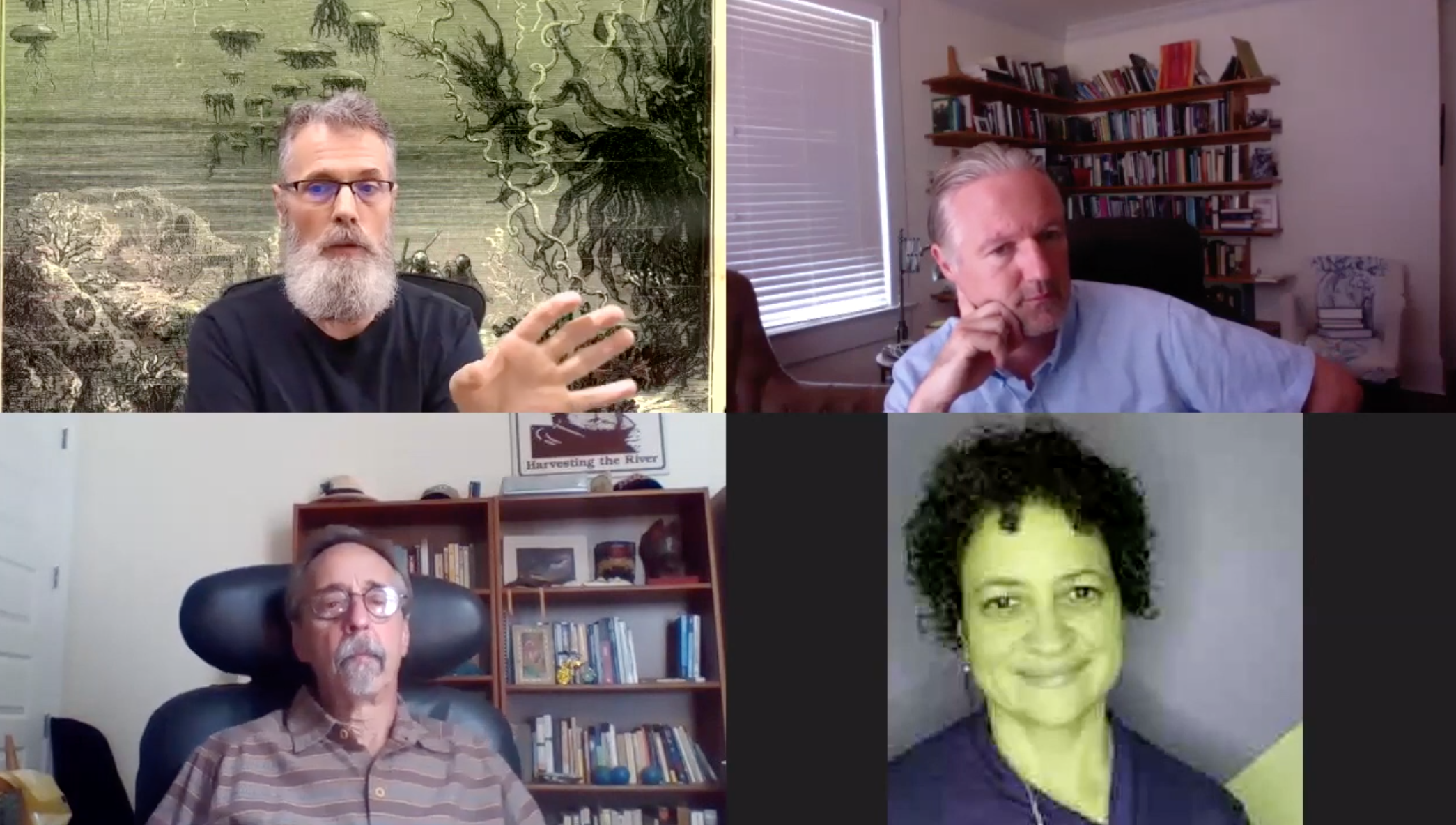
This is the first in a series of conversations featuring participants in the consortium and scholars whose research informs its work.
The full conversation and a short preview are provided here.
NOTE: There are some brief network interruptions during the beginning of the conversation, which end after about six minutes. We apologize for the distraction.
The participants are:
Steven Mentz, St. Johns University
Valerie Babb, Emory University
Alexandra Campbell, Edinburgh Napier University
Ryan Emmanuel, North Carolina State University
Nicholas Allen, moderator, University of Georgia
FULL CONVERSATION
PREVIEW
Shelter Projects is a micro-fellowship program to support graduate students and community-based artists and practitioners in the creation of shareable reflections on their experience of the current pandemic through the arts and humanities.
A note from our director regarding our public events and programs for the spring.
A poem selected by our director Nicholas Allen, Baldwin Professor in Humanities
Dear friends,
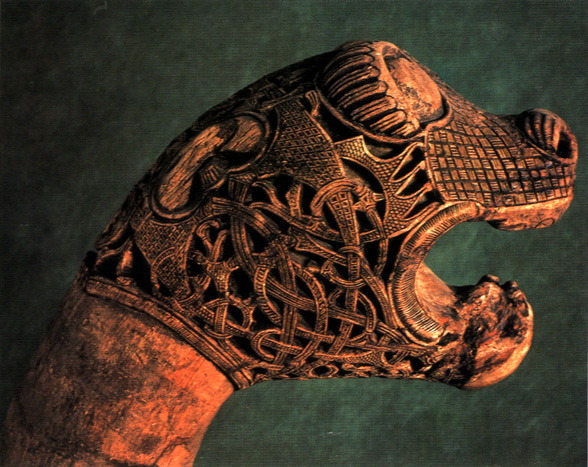
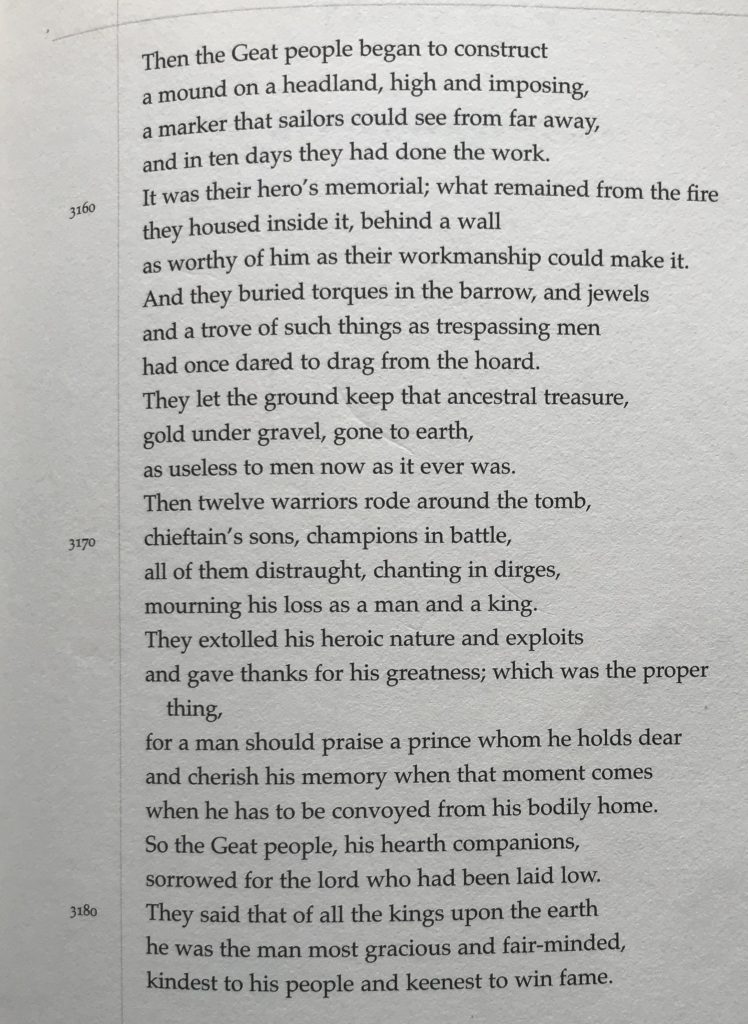
Epic poems tell the stories of heroes and their deeds. In doing so they tell us something both of the cultures that produced these figures, and of the art that casts them in poetic memory, which can be as far removed from fact as fiction. That distance is not a deficit but an opportunity to consider the things the artwork might not mean to say, or consider important. So in Beowulf, the hero kills Grendel, the monster’s mother, and a dragon, jealous of its hoard. This last is his undoing, for, to his companion Wiglaf’s regret,
Often when one man follows his own will
Many are hurt…
There is no epic, and no poetry, without our collective agreement to meet imaginatively at the work of art. In Beowulf, this requires a commitment to truth, honor and the giving of the self to others. In that society, reputation was not a fixed point but a constant readjustment, which even the most celebrated of heroes sometimes failed to make. Greatness was no end in itself, but a partner to the daily solidarities that kept a society together, from the mead hall to the shield wall. As the poem suggests, the darkest monster of all is drawn from the self-regarding specters of pride and greed, Beowulf unheeding of the advisors who bid him leave the dragon sleep, his mourning people haunted now by the vision of the Geat woman who cries “a wild litany of nightmare and lament.”
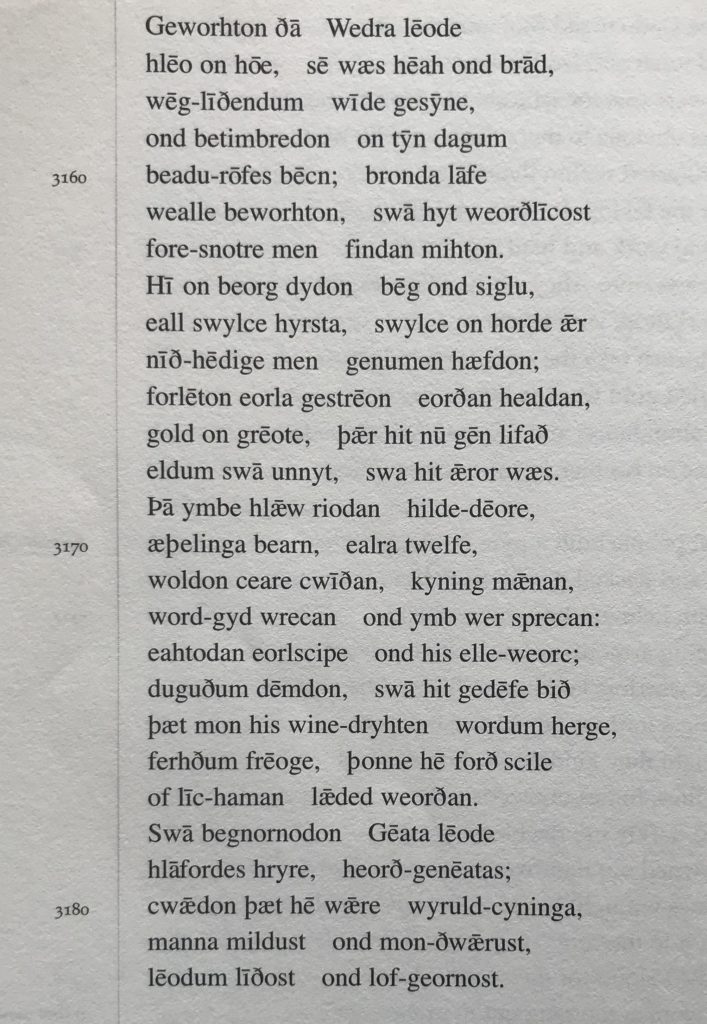
That we can read these words so many centuries later says something more optimistic about human society, which is its capacity for co-operation, that mutuality which is of the substance of that most radical practice, of reading. Beowulf comes to this ethical realization in its own way, true heroism a balance of grace and fairness, and expressed in a language the form and sound of which reminds us to keep our minds open to strangers as envoys of a greater understanding:
Swã begnornodon Gēata lēode
hlãfordes hryre, heorð-genēatas,
cwædon þæt hē wære wyruld-cyninga
manna mildust ond mon-ðwærust,
lēodum līðost ond lof-geornost.
Thank you for your good company over these past weeks. We will gather ourselves again in the mid-summer. Until then, read and be well.
Best,
Nicholas


A poem selected by our director Nicholas Allen, Baldwin Professor in Humanities
Dear friends,
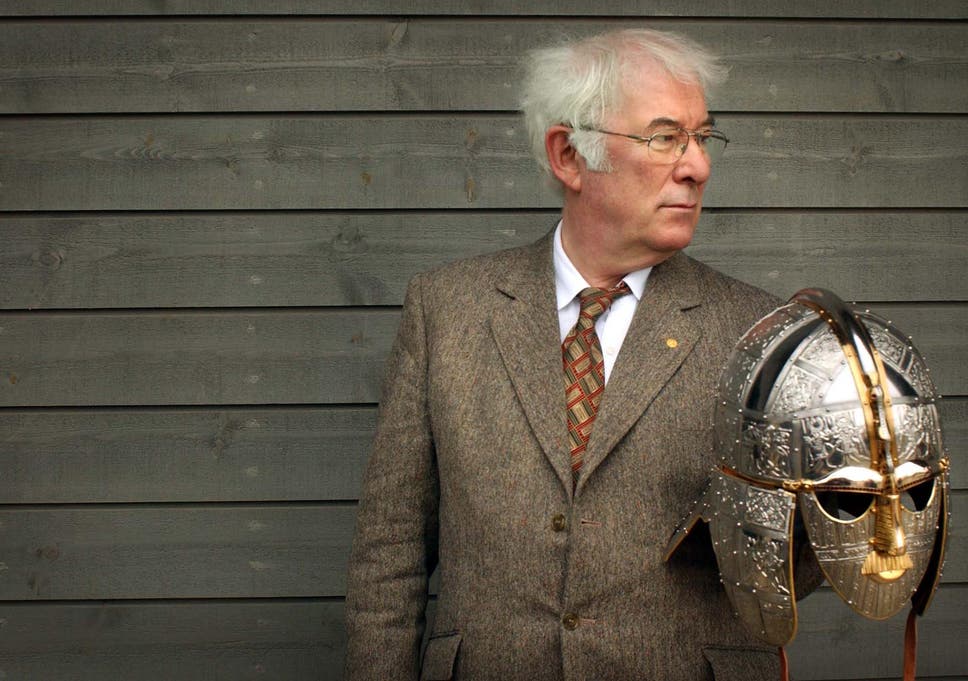
Seamus Heaney grew up in the flatlands by Lough Neagh, not far from the eel fishery in Toomebridge, known to those of you who like our grim ballads as the site of Roddy Corley’s execution after the 1798 rebellion. That insurgency aimed to unite Catholic, Protestant and Dissenter in one Irish republic. Corley’s demise may or may not have happened as the song has it, but it makes for a rousing ballad, which The Dubliners performed with brio.
Lough Neagh is one of Europe’s largest freshwater lakes and is fed by both the Blackwater and the Bann, which alone flows into the Atlantic. Heaney has been read for a long time as a poet of landed place, of bog and farm and townland. Less observed is his attachment to water, from the dripping pump in Mossbawn’s yard to the streams, rivers and lough that led to the world from his door.
It is fitting then that “Eelworks” is a poem of leaving and returning, a meditation on childhood, language and love (think, for example, of those lips in the last lines). In this poem, art is a selkie, a Scots word for the seal-folk, whose skins, like those of the eels in the poem, are a subject of human fascination. “Eelworks” is an elemental poem, made of the fabric of Heaney’s community, of his past, and of his life-long understanding of poetry. It is a catch too of other poems that fed Heaney’s imagination, such as the hint of Yeats in the fishing rod from “The Song of Wandering Aengus.” Next week we will join Beowulf in his foray against Grendel but for now notice the kennings that braid the fourth section of the poem, those pairs of words chained together by hyphens from which the old Germanic languages made metaphor (and my favorite of these is “hron rade,” or whale’s path, which was the sea).
In the summers I regularly pass the eelworks on the road to my parents. It is an unremarkable place on the surface, a jetty of steel gantries across the Bann mouth, a gallery of herons, rusty sheds. It makes me think how magical is poetry, to summon the imagination from the everyday, clad in the hardy raiment of memory, weathered by experience and returned, as in “Eelworks,” to simple beginnings that endure.
Next week we land with Beowulf on shores further north, “we gardena ingear dagum,” Spear Danes in days of old. But I get ahead of myself, and I’ll have a story to tell you then about those opening lines.
Keep going,
Nicholas
Seamus Heaney
from “Eelworks”
ii
Cut of diesel oil in evening air,
Tractor engines in the clinker-built
Deep-bellied boats.
Landlubbers’ craft,
Heavy in water
As a cow down in a drain,
The men straight-backed,
Standing firm
At stern and bow –
Horse-and-cart men, really,
Glad when the adze-dressed keel
Cleaved to the mud.
Rum-and-peppermint men too
At the counter later on
In her father’s pub.
iii
That skin Alifie-Kirkwood wore
At school, sweaty-lustrous, supple
And bisected into tails
For the tying of itself around itself –
For strength, according to Alfie.
Who would ease his lapped wrist
From the flap-mouthed cuff
Of a jerkin rank with eel oil,
The abounding reek of it
Among our summer desks
My first encounter with the up close
That had to be put up with.
iv
Sweaty-lustrous too
The butt of the freckled
Elderberry shoot
I made a rod of,
A-fluster when I felt
Not tugging but a trailing
On the line, not the utter
Flip-stream frolic-fish
But a foot-long
Slither of a fellow,
A young eel, greasy grey
And rightly wriggle-spined,
Not yet the blue black
Slick-backed waterwork
I’d live to reckon with.
My old familiar
Pearl-purl
Selkie-streaker.
…
vi
On the boarding and the signposts
‘Lough Neagh Fishermen’s Co-operative’.
But ever on our lips and at the weir
‘The eelworks’.
A poem selected by our director Nicholas Allen, Baldwin Professor in Humanities
Dear friends,
“The Riverbank Field” is a companion to last week’s poem, both of which are versions that Seamus Heaney made from the Aeneid, and in companion to which you may enjoy this gloss. This is my favorite of the late poems as it describes a world I have come to know very well since my family moved from Belfast to Co. Derry when I was in university and have remained there since. By odd coincidence my father was manager of the bank in Magherafelt when it was bombed, an incident described in another of Heaney’s poems, “Two Lorries.” There was no harm there and we have a photograph at home of my father standing among the ruins, smiling in his hard hat. I met Seamus several times and he was always kind, welcoming and interested that we had been in Chapel Hill (which he told me once never to leave, having a special affection for the place from his visits there, including the lucky chance of being asked to give the commencement speech the very year he won the Nobel Prize). A noble man, he turned up to all kinds of literary readings in Dublin, sitting quietly at the back, and this for years after he became so celebrated.
“The Riverbank Field” draws the early summer countryside around Lough Neagh in eternal light. It was published in Human Chain, which was Heaney’s last collection and whose title poem is dedicated to Terence Brown, my old professor in Trinity. There is still something of the poet’s gentle fortitude in that verb “confound” and I may stretch your patience one more week before we go to Beowulf and share “Eelworks” with you next as it extends this watery province back into Heaney’s early life and life-long love. For now I wish you a safe and peaceful week, under the dome of this blue Georgia sky.
As always,
Nicholas
Seamus Heaney
“The Riverbank Field”
After Aeneid VI, 704-15 & 748-751
Ask me to translate what Loeb gives as
‘In a retired vale… a sequestered grove’
And I’ll confound the Lethe in Moyola
By coming through Back Park down from Grove Hill
Across Long Rigs on to the riverbank –
Which way, by happy chance, will take me past
The domos placidas, those ‘peaceful homes’
Of Upper Broagh. Moths then on evening water
It would have to be, not bees in sunlight,
Midge veils instead of lily beds; but stet
To all the rest: the willow leaves
Elysian-silvered, the grass so fully fledged
And unimprinted it can’t not conjure thoughts
Of passing spirit-troops, animae, quibus, altera fato
Corpora debentur, ‘spirits’, that is,
‘To whom second bodies are owned by fate.’
And now to continue, as enjoined to often,
‘In my own words’:
‘All these presences
Once they have rolled time’s wheel a thousand years
Are summoned here to drink the river water
So that memories of this underworld are shed
And soul is longing to dwell in flesh and blood
Under the dome of the sky.’
A poem selected by our director Nicholas Allen, Baldwin Professor in Humanities